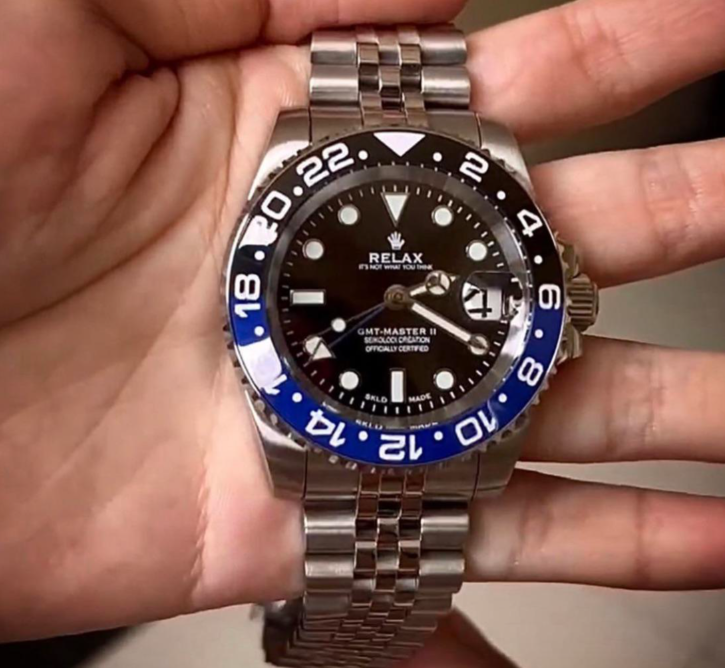
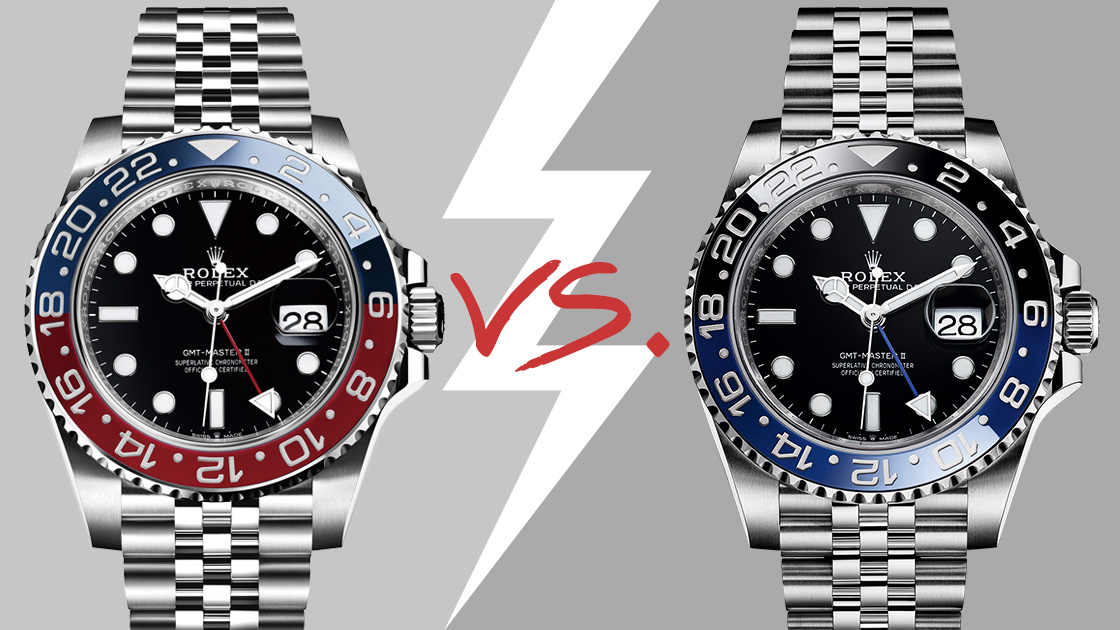
ARF vs VSF GMT-Master II — Batman & Pepsi Head-to-Head Comparison 2026
The GMT-Master II is one of those references that separates casual buyers from people who actually care about movement architecture. And right now, mid-2026, the GMT landscape looks completely different than it did twelve months ago.
Some housekeeping first.
ARF Factory had an incident in June 2026. They’ve recovered and resumed shipping — but they’ve rebranded as W Factory (WF). Same team, same products, new name. Throughout this article I’ll mostly use “ARF” because that’s the name everyone knows. If you see “W Factory” or “WF” on dealer listings, it’s the same operation.
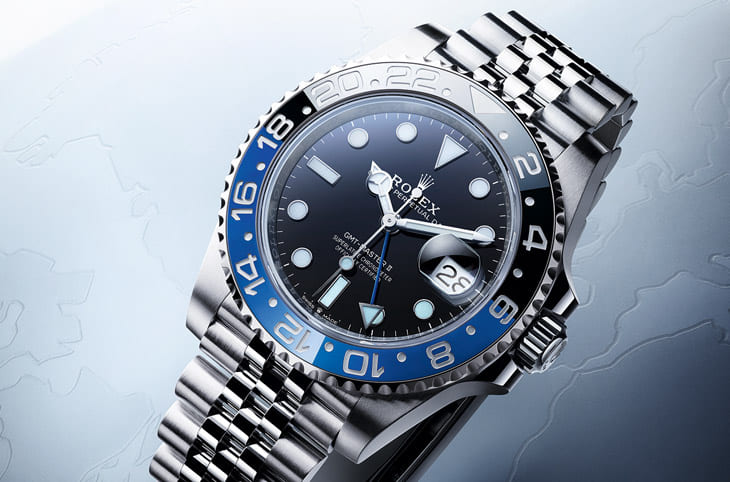
Second thing: Clean Factory is gone. Shut down in 2025, and their two-year exclusive contract on the Dandong 3285 movement expired before that. VSF now has full access to the Dandong 3285 — which changes the entire calculus for GMT buyers. ARF/WF runs the Shanghai 3285 instead. Same reference number on the movement. Very different internals.
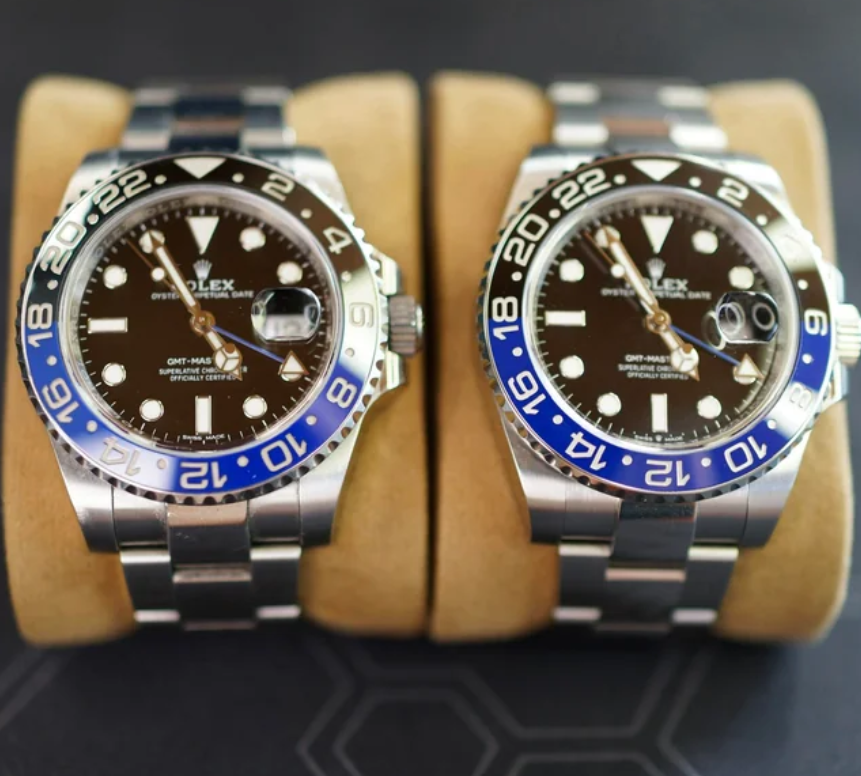
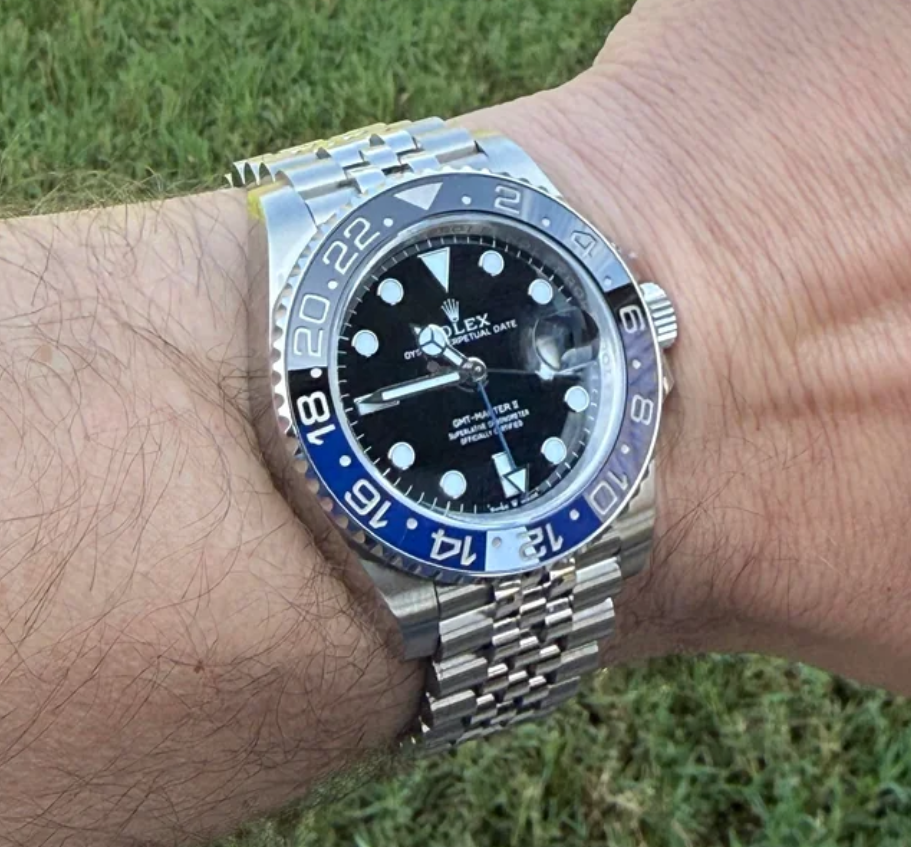
I’ve handled both extensively over the past year. This is a straight comparison — no fluff, no fence-sitting. If you’re looking at a Batman (126710BLNR), Pepsi (126710BLRO), Coke, Sprite, or Root Beer, this breakdown covers what actually matters.
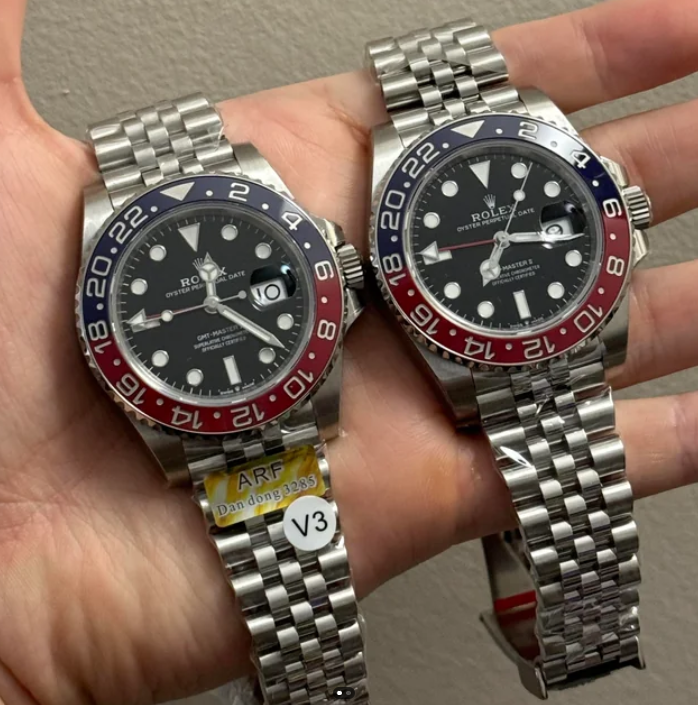
ARF GMT-Master II Overview
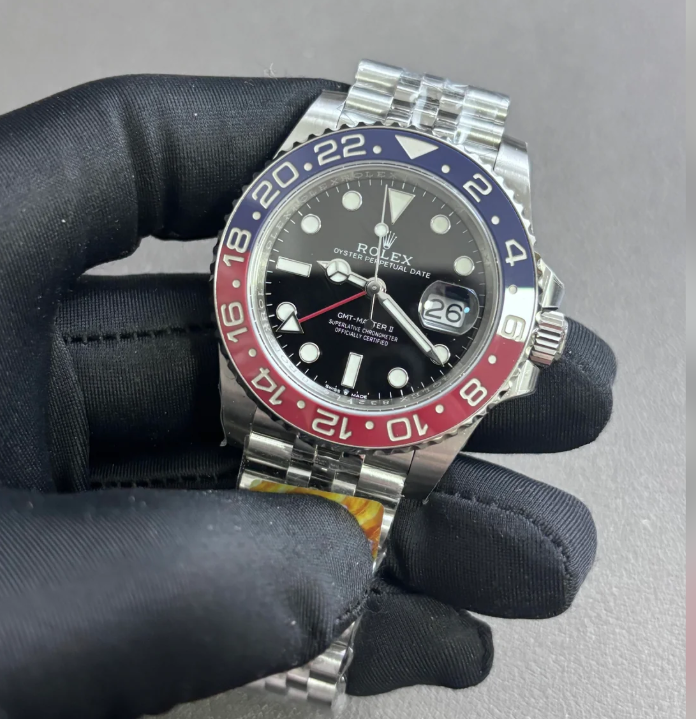
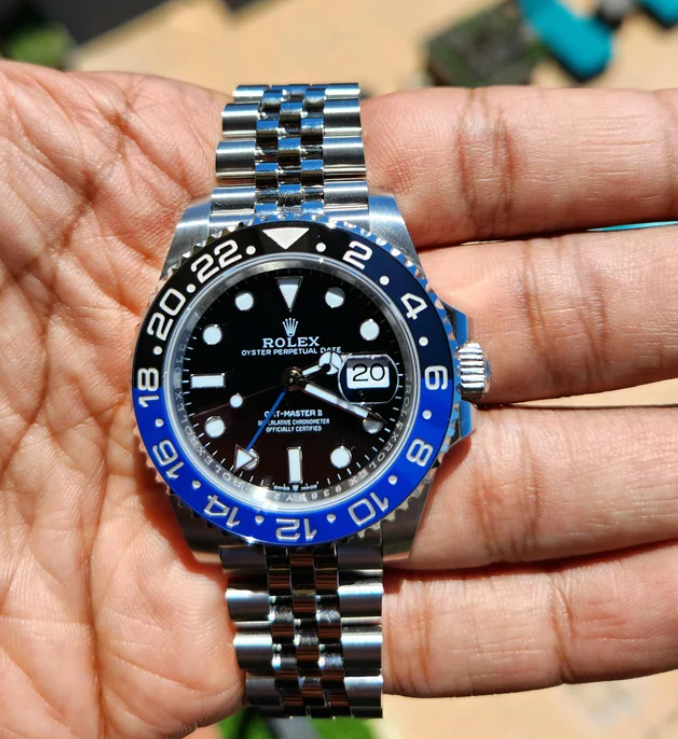
ARF — now operating as W Factory after their mid-2026 rebrand — has been producing GMT-Master II references for a while. They offer the full range: Batman (126710BLNR), Pepsi (126710BLRO), Coke, Sprite, and the Root Beer/two-tone variants with weighted cases.
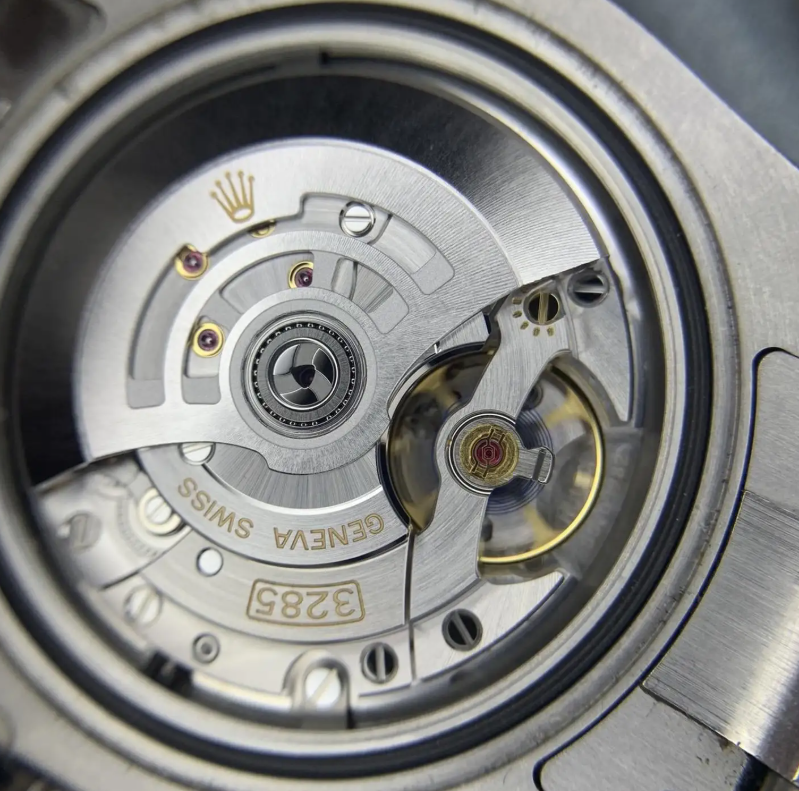
The defining feature of every ARF GMT is the Shanghai 3285 movement. It’s a free-sprung design without a regulator (no micro-adjust), which has implications I’ll get into in the movement section. ARF’s Shanghai 3285 delivers a solid 72-hour power reserve — actually slightly more than what Dandong units typically test at.
Here’s the thing about ARF’s cases and bracelets — they share suppliers with Clean Factory. That’s not a secret in the industry. Multiple reviewers have confirmed the parts come from the same subcontractors. Their two-tone and precious metal variants come with tungsten-steel weighted cases that match genuine weight almost perfectly (167.99g vs 166.42g for the genuine Root Beer).
Market pricing for ARF/WF GMT references sits around $430–$480 depending on the variant. Pepsi and Coke bezels cost more to produce, so those tend to sit at the higher end.
Solid factory. Just not perfect.
VSF GMT-Master II Overview
VSF entering the GMT game with the Dandong 3285 was the biggest shift in this segment in years. Clean held exclusive rights to this movement for two full years. When that contract expired — and Clean subsequently shut down — VSF picked it up and hasn’t looked back.
VSF currently offers Batman, Pepsi (V3 bezel), Coke (V3 bezel), Sprite (including the left-handed 126720), and both steel and two-tone Root Beer variants. The V3 bezel is the latest generation — under UV light, the blue portion turns red, matching genuine behavior. That’s a detail that matters more than most people realize for authenticity.
The Dandong 3285 movement is the headline here. Traditional regulator with micro-adjust capability, which makes servicing straightforward and affordable. Power reserve tests around 61–70 hours depending on the specific unit.
VSF GMT pricing runs approximately $480–$540. About $50–$80 more than ARF/WF for equivalent references. The premium is almost entirely the Dandong movement.
Worth it? Depends on how long you’re keeping the watch. If you’ve been eyeing the Pepsi and want to understand a known V3 bezel quirk, I covered that in my VSF V3 GMT-Master II Pepsi lubrication breakdown.
Case and Bracelet Comparison
Both factories use 904L stainless steel. Both source cases and bracelets from the same tier of subcontractors — and in ARF’s case, literally from the same suppliers Clean Factory used. So the raw materials are essentially identical.
Where they diverge:
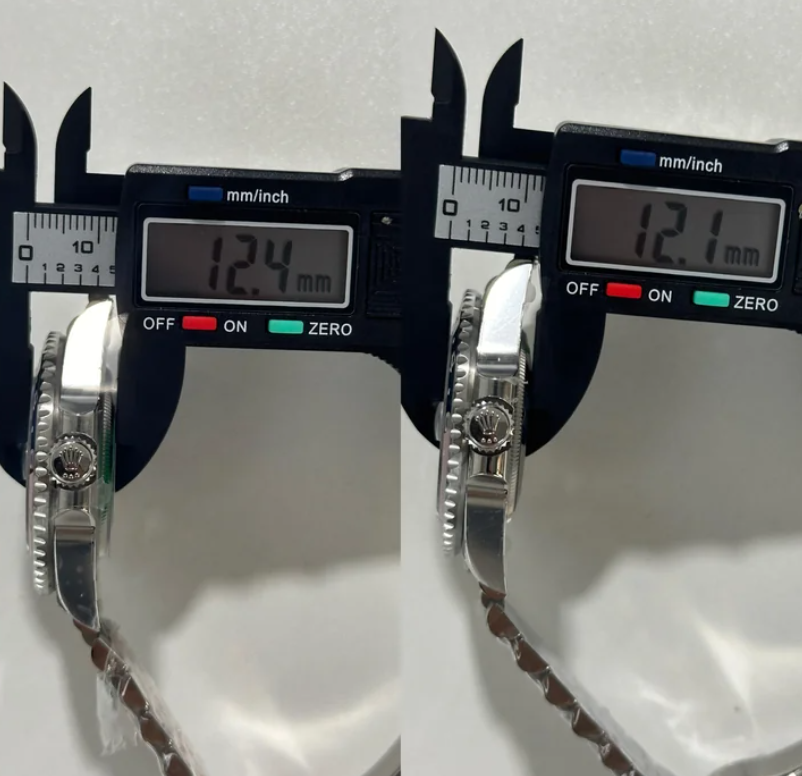
Thickness: ARF/WF GMT measures approximately 12.2mm. VSF comes in at 12.0–12.5mm depending on the specific reference and batch. The Pepsi and Coke models from VSF tend to sit at 12.1–12.5mm. Genuine is 12.1mm. That 0.3mm difference between the two factories is invisible on the wrist — you’d need calipers to notice.
Weight: Steel-on-steel models come in close. ARF Coke weighs approximately 140g, VSF models around 141–142g. Neither factory matches genuine steel weight perfectly, but that’s normal across the board. Where ARF wins decisively is in two-tone and precious metal variants — their tungsten-weighted cases hit 167.99g versus genuine’s 166.42g, a gap of just 1.5 grams.
ARF wins the weighted variants. Not even close.
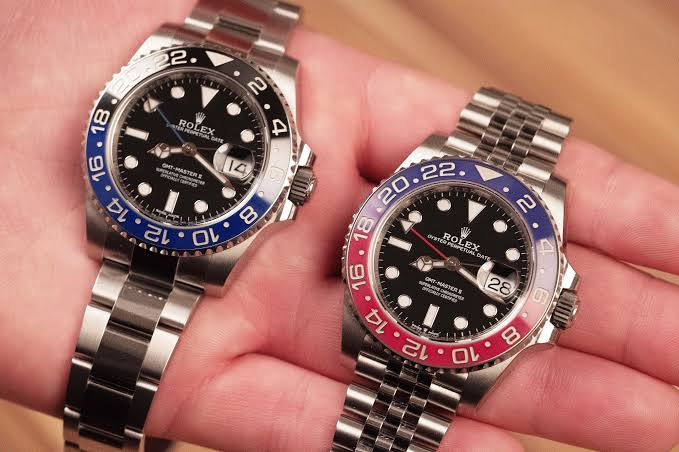
Bracelet and clasp: Both offer five-link Jubilee and three-link Oyster options. VSF’s serrated bezel teeth are smaller and more refined — less likely to catch on skin. ARF’s clasp action feels marginally smoother than VSF’s, though the gap is small. VSF crown sits tighter when locked (about 0.25mm gap vs 0.5mm on ARF), which gives a slightly more finished look.
A buddy of mine in Denver bought the ARF two-tone Root Beer last September — three months in, he told me the weight is what sold him. Every steel replica he’d owned before felt hollow on the wrist. This one didn’t.
Bezel and Insert
This is where both factories genuinely impress — and where the GMT-Master II differs fundamentally from the Submariner. The GMT bezel rotates bidirectionally (the Sub is unidirectional with that distinctive click). On a GMT, the bezel serves as a 24-hour reference for your second timezone, and it needs to move both ways with smooth, damped resistance.
Ceramic quality: Both factories use real ceramic inserts fired at 3000+ degrees. The platinum powder fill in the numerals won’t fade or discolor — if you see greenish or discolored fill, you’re looking at a lower-tier product. Both ARF and VSF use proper platinum powder with a matte, slightly granular finish at the base of each groove.
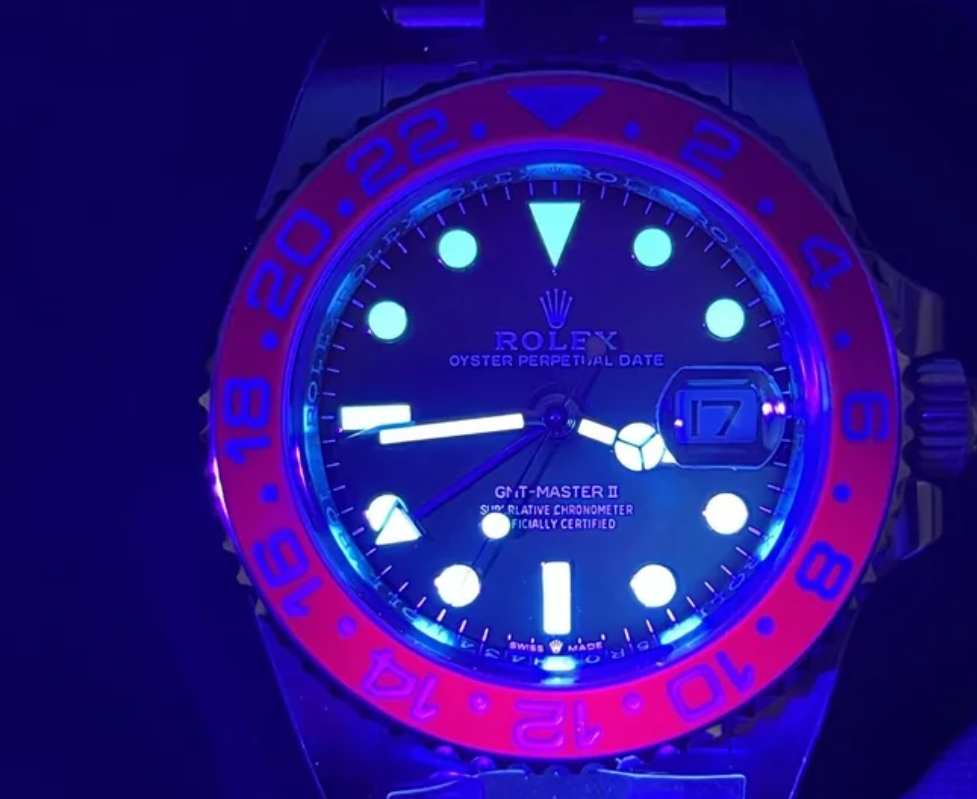
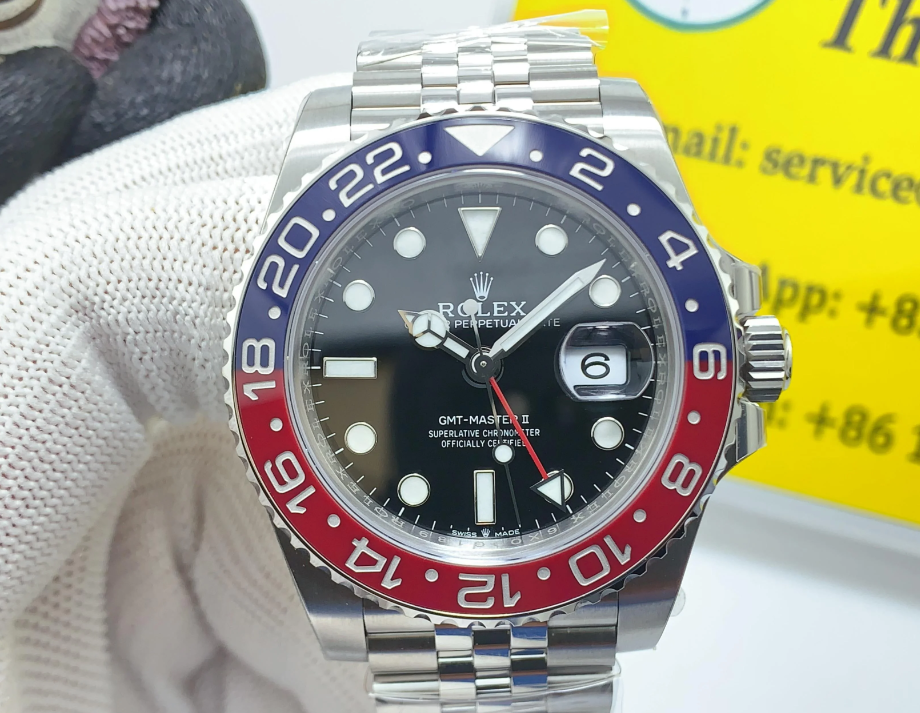
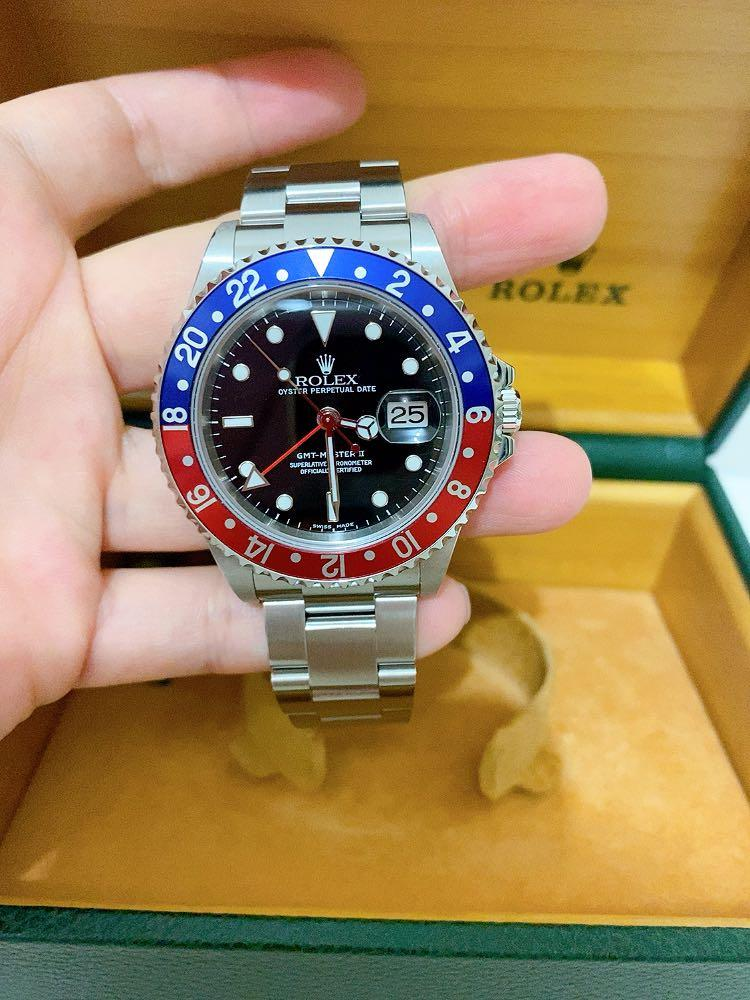
V3 bezel (Pepsi/Coke): Both factories now use V3-generation bezels. Under UV light, the blue portion turns red — matching genuine behavior. In normal lighting, VSF’s Pepsi bezel leans slightly deeper red, while ARF’s reads a touch more vivid. The 6 and 18 o’clock junction points show no visible seam on either factory — both use one-piece ceramic construction.
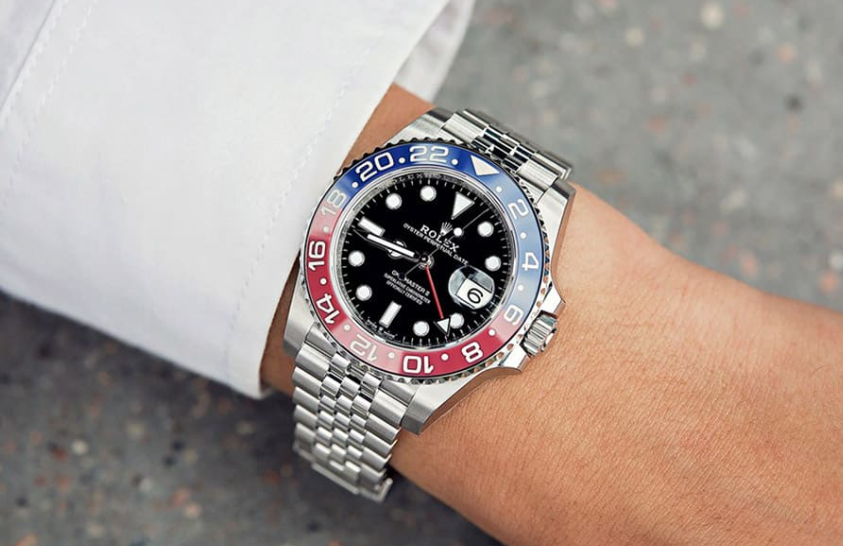
Rotation feel: This is VSF’s clear advantage. VSF bezels have tighter, more defined click stops with genuine damping resistance. Rotate to a position and it stays put with zero play. ARF bezels feel good — solid damping, quiet rotation — but multiple hands-on comparisons confirm VSF’s detent mechanism is the best in the industry right now. Clean’s bezels used to wobble slightly at each stop position. VSF fixed that.
VSF wins bezels. Full stop.
Dial and Hands
Dial printing: Both factories deliver clean, sharp text with no bleeding or fuzzy edges. The “GMT-MASTER II” text, coronet, and model designation are equally well-executed. VSF’s dial has a subtle concave curvature at center — a slight bowl shape matching genuine — which creates interesting light play at different angles. ARF’s dial sits flatter.
GMT hand: On the Pepsi and Coke references, the GMT arrow hand is red. VSF’s red skews slightly toward a brighter, more saturated tone — closer to genuine. ARF’s red is comparable but reads marginally deeper. On the Batman and Root Beer references (green and brown GMT hands respectively), both factories match well.
Minute hand: VSF’s minute hand tapers to a sharper point at the tip — a detail confirmed across multiple batch comparisons. ARF’s minute hand is good but not quite as refined at the very tip.
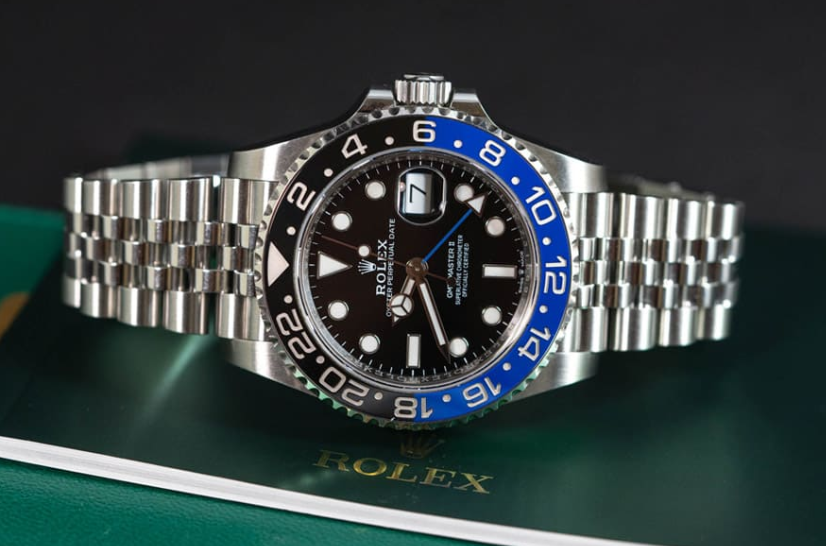
Center post: VSF uses a solid “mushroom” center post with a visible metal point in the middle — matching the genuine hat-shaped design. ARF also features a solid center post with decent finishing. Both are far ahead of smaller factories that ship hollow posts.
Lume: Both fill lume cleanly without overflow. Creamy off-white color, ice-blue glow when charged. Neither matches genuine Chromalight duration. Industry-wide limitation.
Date window: VSF’s date font has a pronounced oil-press texture with crisp edges and small serif tails. ARF’s date font runs slightly thinner and smaller. Both center well within the cyclops.
Small stuff. Adds up.
Movement: Dandong 3285 vs Shanghai 3285
Real talk — this is the section that actually matters. Everything above is cosmetics. The movement is what you live with daily for years, what determines your service costs, and what dictates whether your watch is still running reliably in 2031.
For a deeper dive into how Dandong movements work across the entire VSF lineup, I wrote a full breakdown in my Dandong movements explained guide.
Architecture — the fundamental split:
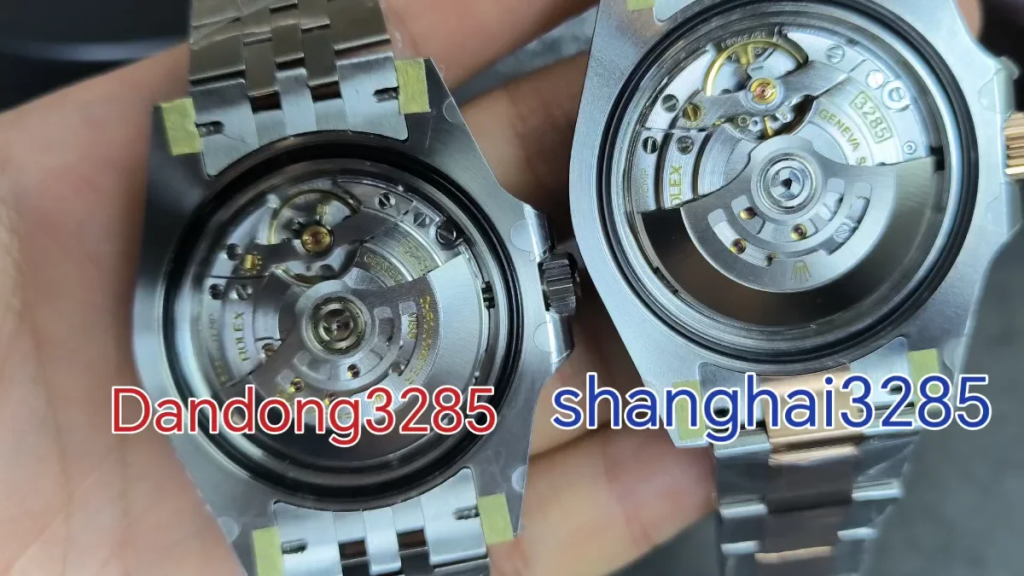
The Dandong 3285 (used by VSF) features a traditional regulator with micro-adjust capability. A watchmaker can fine-tune the rate using a simple regulator lever — standard procedure, standard tools, standard pricing. Industry sources rate it at 98 points out of 100 for the GMT caliber category.
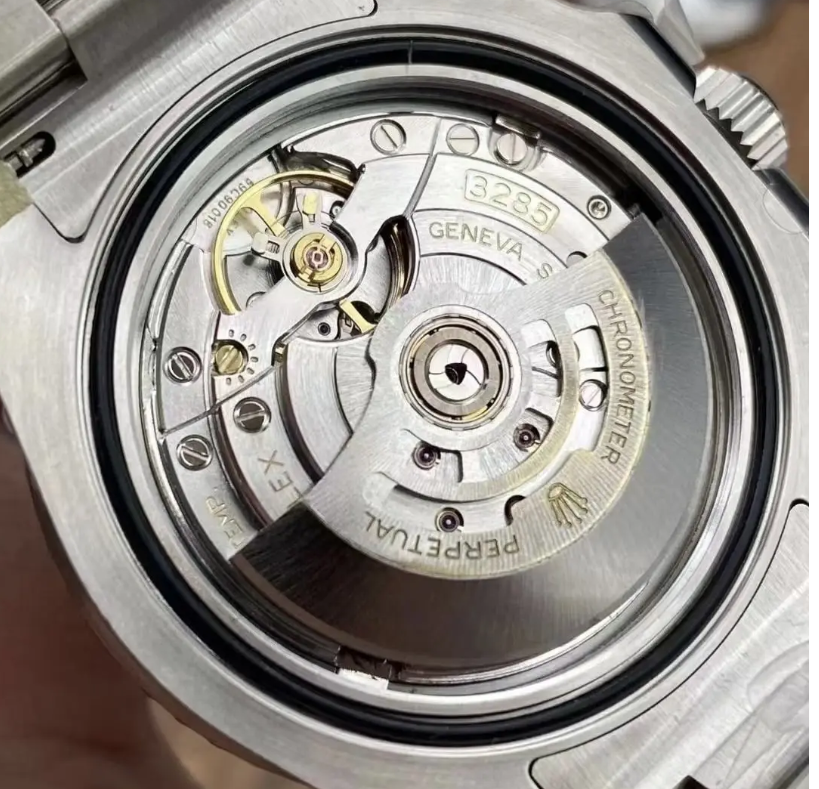
The Shanghai 3285 (used by ARF/WF) is a free-sprung design without a regulator. Uses weighted screws on the balance wheel for rate adjustment. Sounds fancier — and it does look closer to the genuine caliber through a caseback — but the practical implications are significant. Same industry sources rate it at 96 points. Gap is small on paper but meaningful over the life of the watch.
| Specification | VSF — Dandong 3285 | ARF/WF — Shanghai 3285 |
|---|---|---|
| Regulator Type | Micro-adjust (traditional) | Free-sprung (no regulator) |
| Power Reserve | ~70 hours (tested 61–64h) | 72 hours |
| Time-Setting Direction | Matches genuine | Reversed vs genuine |
| Date Quickset | Via hour hand, forward & reverse | Via hour hand, forward & reverse |
| Service Cost | Standard — any competent watchmaker | Higher — requires specialized adjustment |
| Industry Rating | 98 / 100 | 96 / 100 |
| Identification | ES-prefix code, regulator pins visible | Weighted screws on balance wheel |
The reversed time-setting issue: This is ARF’s most talked-about quirk. On the genuine Rolex 3285 and on VSF’s Dandong version, turning the crown in a specific direction moves the hands clockwise. On ARF’s Shanghai 3285, the time-setting direction is reversed — turn the crown the opposite way to achieve the same result. Doesn’t affect functionality. Watch works fine. But if you’ve ever handled a genuine GMT or you switch between watches frequently, you’ll notice immediately. Some people don’t care. Some people find it genuinely irritating. Know yourself.
Got a DM from a reader in Chicago back in April — he’d owned two genuine GMTs before picking up an ARF Pepsi. Two weeks in, he sold it and swapped for VSF. His words: “I couldn’t stop reaching the wrong way.” That’s the type of guy who cares. If that’s not you, save the $60.
Power reserve: ARF’s Shanghai 3285 actually edges out VSF here with a rated 72-hour reserve versus Dandong’s approximately 70 hours. In real-world testing, Dandong units have shown 61–64 hours across multiple samples. The Shanghai consistently hits its 72-hour mark. Two extra hours of power reserve is barely noticeable in daily wear — but ARF technically wins this one.
Servicing — the long game: This is where the Dandong 3285 pulls ahead decisively. The micro-adjust regulator means any competent watchmaker can regulate the movement with standard tools. Adjust the lever, check the rate, done. The Shanghai free-sprung design requires manipulating balance wheel screws — more time, more skill, more cost. Over a five-year ownership period, that adds up. If you plan to keep the watch long-term and have it serviced locally, the Dandong movement will save you real money.
Winding feel: Dandong 3285 winds tighter and more deliberately — there’s a positive engagement feel that experienced owners describe as firm but smooth. The Shanghai version is slightly looser, not problematically so, but the tactile difference is there. Both feature bidirectional automatic winding with 27 jewels.
I’ve worn my VSF Batman on daily rotation for eighteen months. Set the time twice. That’s it.
Which Should You Buy?
After handling both factories’ GMT references extensively, here’s how I’d break it down by buyer profile:
Buy the VSF if:
- Movement quality is your top priority. The Dandong 3285 is the better caliber. Not close.
- You want correct time-setting direction matching genuine.
- You plan to keep the watch for 3+ years and want cheaper, easier servicing.
- Bezel feel matters to you. VSF’s click mechanism is the best available.
- You’re buying a steel Batman, Pepsi, Coke, or Sprite in standard configuration.
Buy the ARF/WF if:
- You’re on a tighter budget. The $50–$80 savings is real.
- You want a two-tone or precious metal variant with proper weight. ARF’s tungsten-weighted cases are unmatched.
- The reversed time-setting direction doesn’t bother you.
- You value the slightly longer 72-hour power reserve.
- Clean was your first choice and you want the closest thing to their fit and finish (same suppliers).
My take: For steel GMT references — Batman, Pepsi, Coke, Sprite — I lean VSF. The Dandong 3285 is the better movement by every measure that matters long-term, and the bezel feel is noticeably superior. The price premium is justified. For two-tone and weighted variants, ARF/WF is the stronger play because of the weight matching.
Whichever factory you choose, buy from a dealer with verified reviews and a real warranty. Search around, check forums, ask for QC photos before shipping. The GMT segment has one of the highest fake-factory rates in the industry — an estimated 80%+ of “VSF” or “Clean” GMTs sold online aren’t from the actual factory.
80%. Let that sink in.
FAQ
Is ARF Factory the same as W Factory?
Yep. ARF had an incident in June 2026, recovered, and resumed operations under the name W Factory (WF). Same team, same production line, same quality. If you see “WF” or “W Factory” on dealer listings, it’s the factory formerly known as ARF.
Does the Shanghai 3285 really set time in the wrong direction?
It’s reversed compared to genuine, yes. The watch functions perfectly — date quickset, GMT hand adjustment, everything works. But when you pull the crown to the time-setting position, the direction you turn it to move the hands clockwise is the opposite of what you’d do on a genuine Rolex 3285 or on VSF’s Dandong version. Whether this bothers you is entirely personal.
Can I swap the Shanghai 3285 for a Dandong 3285 later?
In theory, both movements share the same physical dimensions and fit the same case. In practice, sourcing a standalone Dandong 3285 is extremely difficult — factories don’t sell movements separately. You’d need to find a specialized parts dealer, and availability is unpredictable. If you know you want Dandong, buy the VSF from the start.
Which GMT bezel colors do both factories offer?
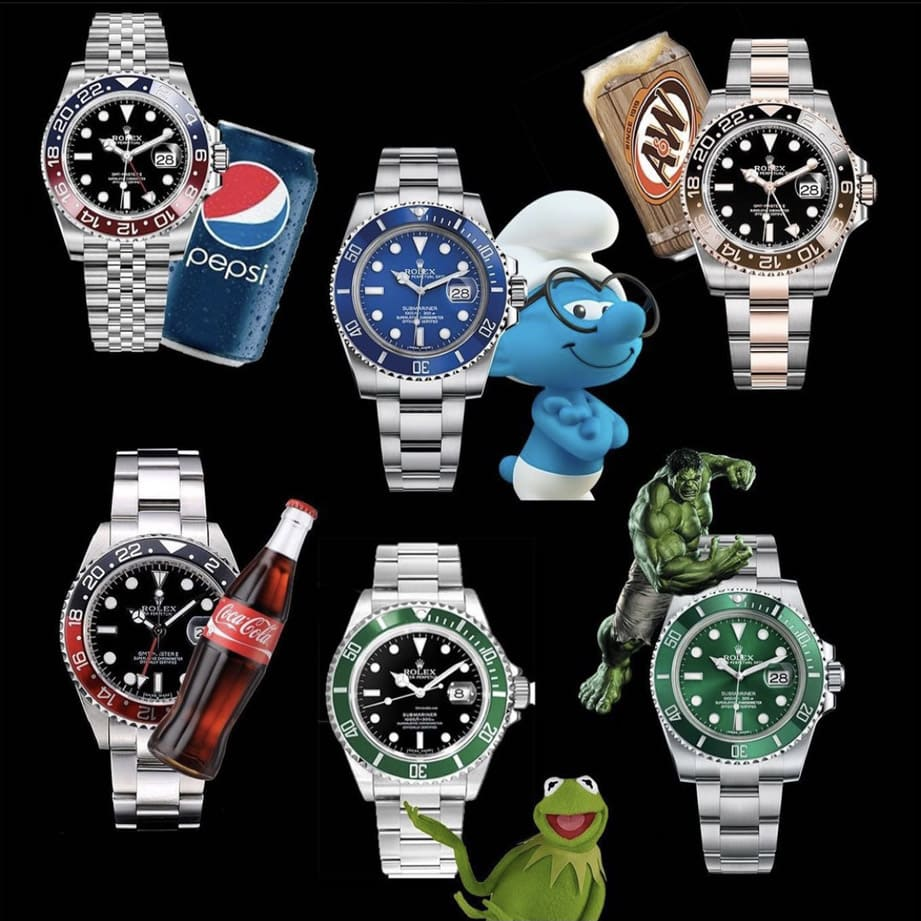
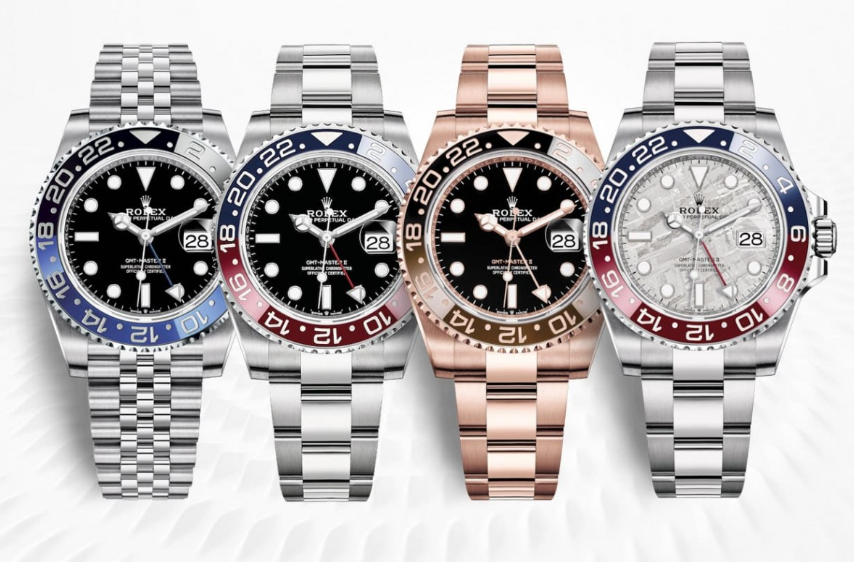
Both produce the full range: Batman (black/blue, 126710BLNR), Pepsi (red/blue, 126710BLRO), Coke (red/black), Sprite (green/black, including left-hand 126720), and Root Beer (brown/black in two-tone). VSF also offers the grey/black variant. Availability fluctuates — check with your dealer for current stock.
How do I verify I’m getting a real VSF or ARF GMT?
Open the caseback and check the movement. Dandong 3285 has the regulator pins visible (thick pin on the right, thin on the left) and ES-prefix codes on the shock absorber. Shanghai 3285 shows weighted screws on the balance wheel with no regulator lever. Without opening the back, the quickest non-destructive test: reverse-adjust the date past midnight — Dandong units snap the date back cleanly and instantly, while Shanghai units sometimes show a half-jump hesitation before completing.
Is the GMT bezel the same as the Submariner bezel?
Not at all. The GMT bezel rotates bidirectionally — turn it both ways — because it tracks a second timezone across 24 hours. The Submariner bezel is unidirectional (counterclockwise only) with audible clicks, designed as a dive timer. The GMT bezel rotates quietly with damped resistance. Different mechanism, different purpose.