
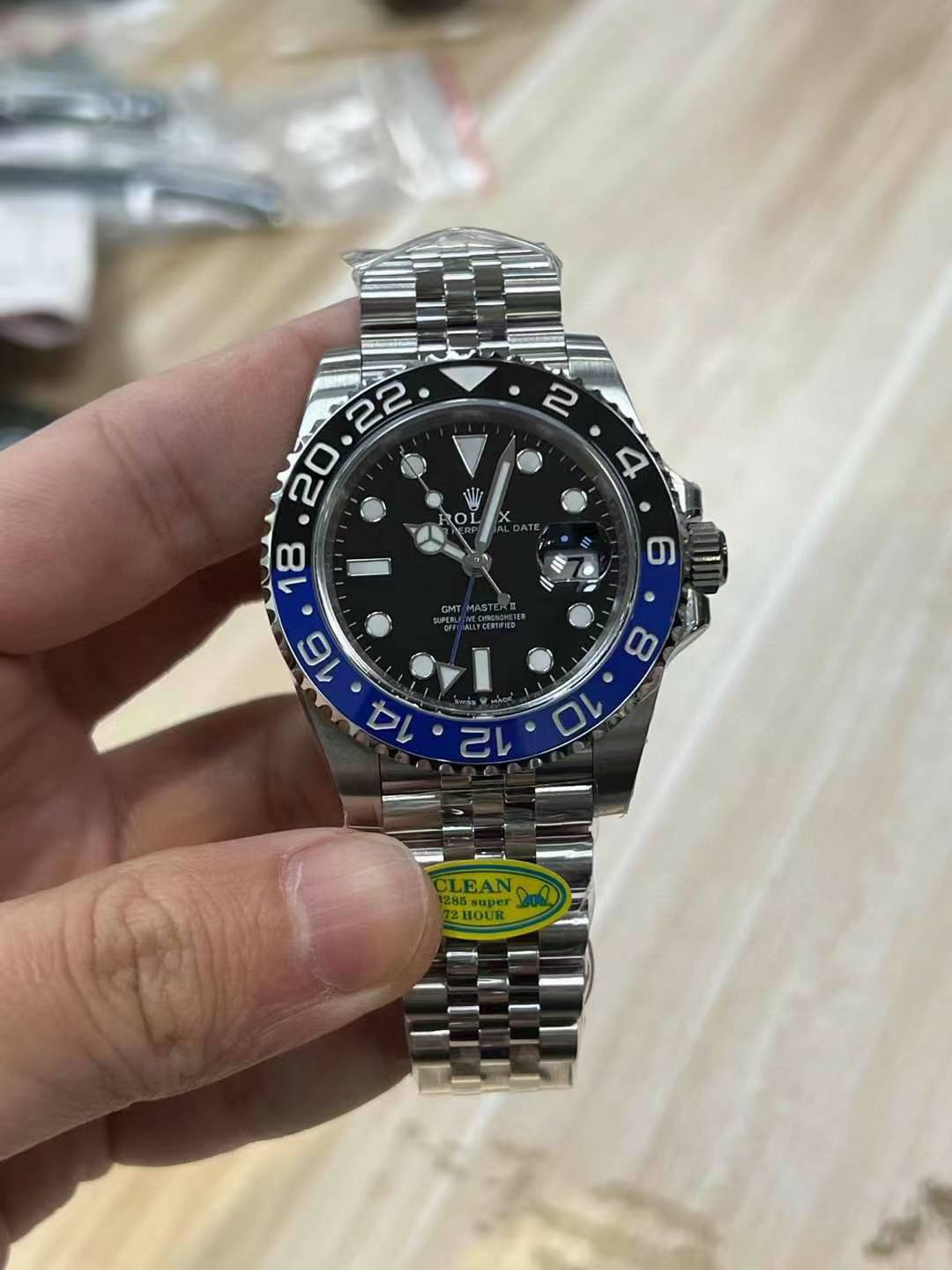
Post-Clean Factory Landscape: Who Fills the GMT & Daytona Void in 2026?
Clean Factory is gone.
If you’ve been around this hobby for more than a year, that hits harder than it would for someone just getting started. Clean wasn’t just another name on the list — they were the undisputed kings of GMT-Master II production and a serious contender in the Daytona race. Now that the dust has settled, the map looks different. Some factories stepped up. Some tried and failed. And a whole lot of dealers are still selling “Clean stock” that isn’t Clean at all.
I’ve been tracking this shift since the day the news broke. Here’s how the market actually looks in mid-2026 — no hype, no dealer spin, just what I’m seeing across the supply chain.
What Happened to Clean Factory
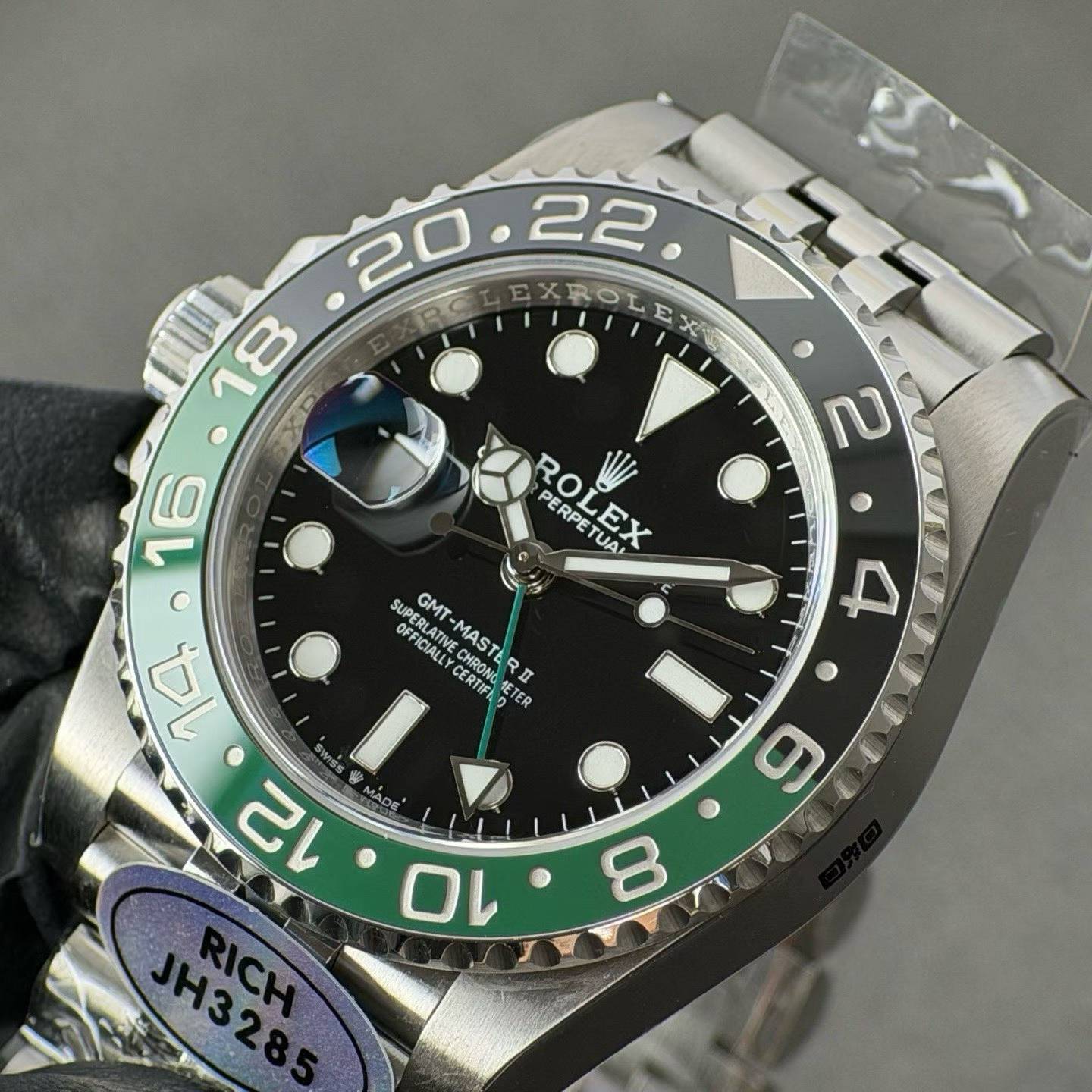
Clean Factory — originally called ZZ Factory — had one of the wildest redemption arcs in this business. ZZ had a garbage reputation. So bad they rebranded entirely, came back as “Clean,” and somehow built one of the strongest market positions in super clone production. The rebrand only worked because they backed it up with real product improvements.
Their crown jewel was the GMT-Master II.
Clean locked down what amounted to a monopoly on the Dandong 3285 movement for GMT watches. That single advantage made them the default choice for anyone wanting a Pepsi, Batman, or Coke bezel. The ceramic work was top-shelf — 18 transition points on the blue-black bezel with zero visible splice marks, and color consistency that nobody else could match at the time. Clean’s pricing premium had nothing to do with exclusive bezel access (multiple factories sourced from the same ceramic suppliers) and everything to do with that DD3285 lock.
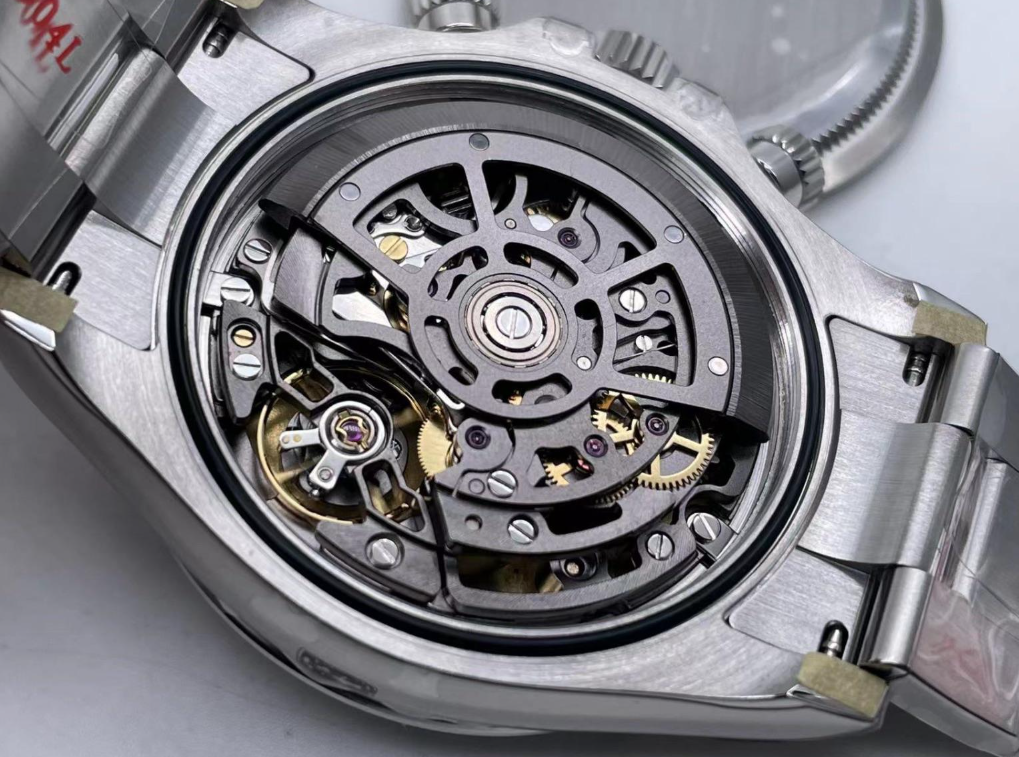
On Daytonas, Clean ran Shanghai 4130 and later upgraded to DD4131 in their final production batches. Competitive with BTF and VSF visually — but I always maintained that their Shanghai chronograph movements weren’t in the same reliability class as Dandong.
Then came July 2025.
Chinese authorities raided Clean’s assembly operation. Equipment seized, key personnel detained. This wasn’t a temporary hiccup — it was the end. By early 2026, Clean was confirmed finished. No new production runs. No restocking. Three major factories collapsed in 2025 — Clean, V7, and RC — but Clean’s fall punched the biggest hole because they dominated two specific Rolex categories where no obvious replacement existed.
The GMT-Master II Vacuum — Who Owns the Pepsi Now?
This is where things got interesting fast. Clean’s GMT dominance rested on two pillars: the DD3285 monopoly, and bezel quality. Here’s what happened to both after the shutdown.
The DD3285 monopoly is broken.
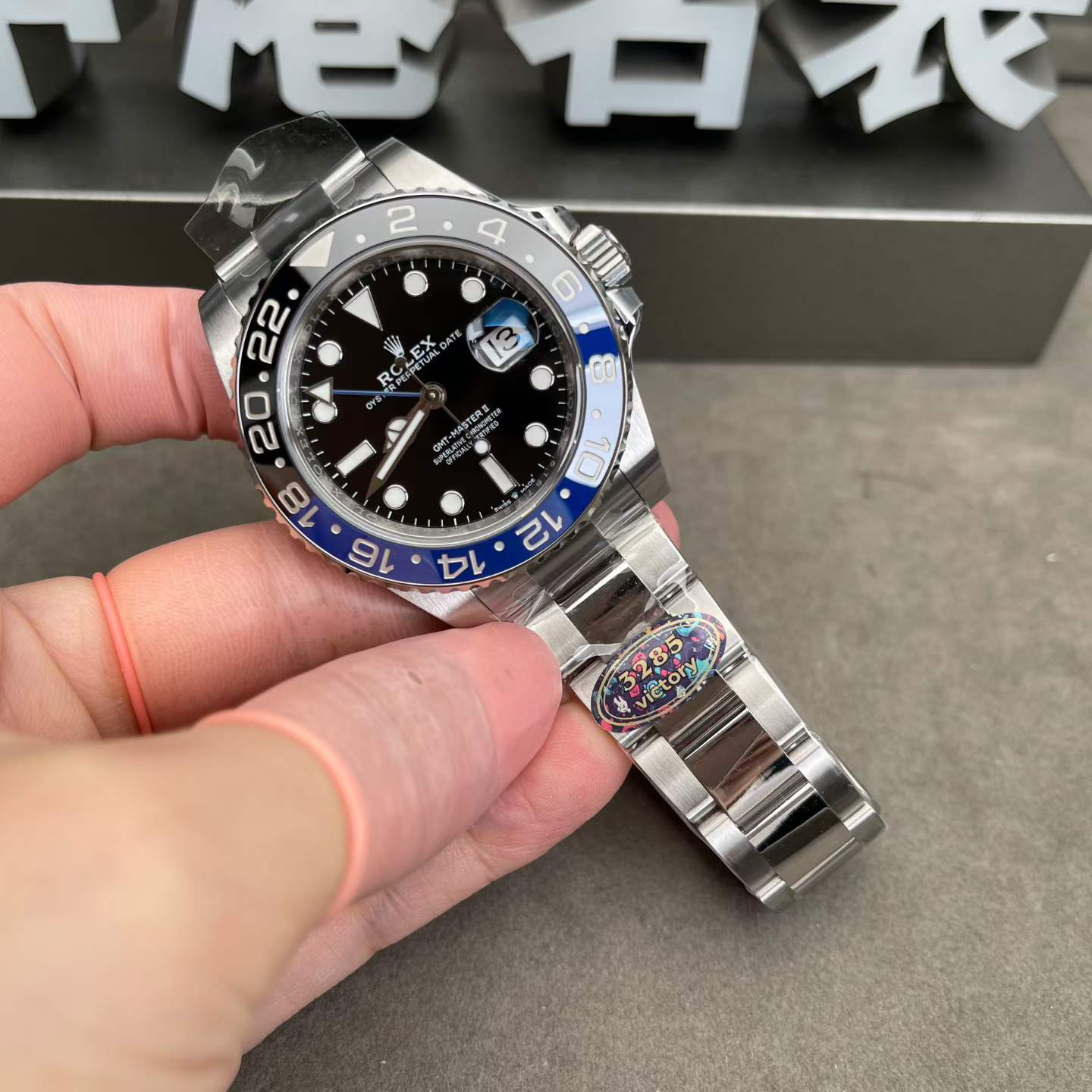
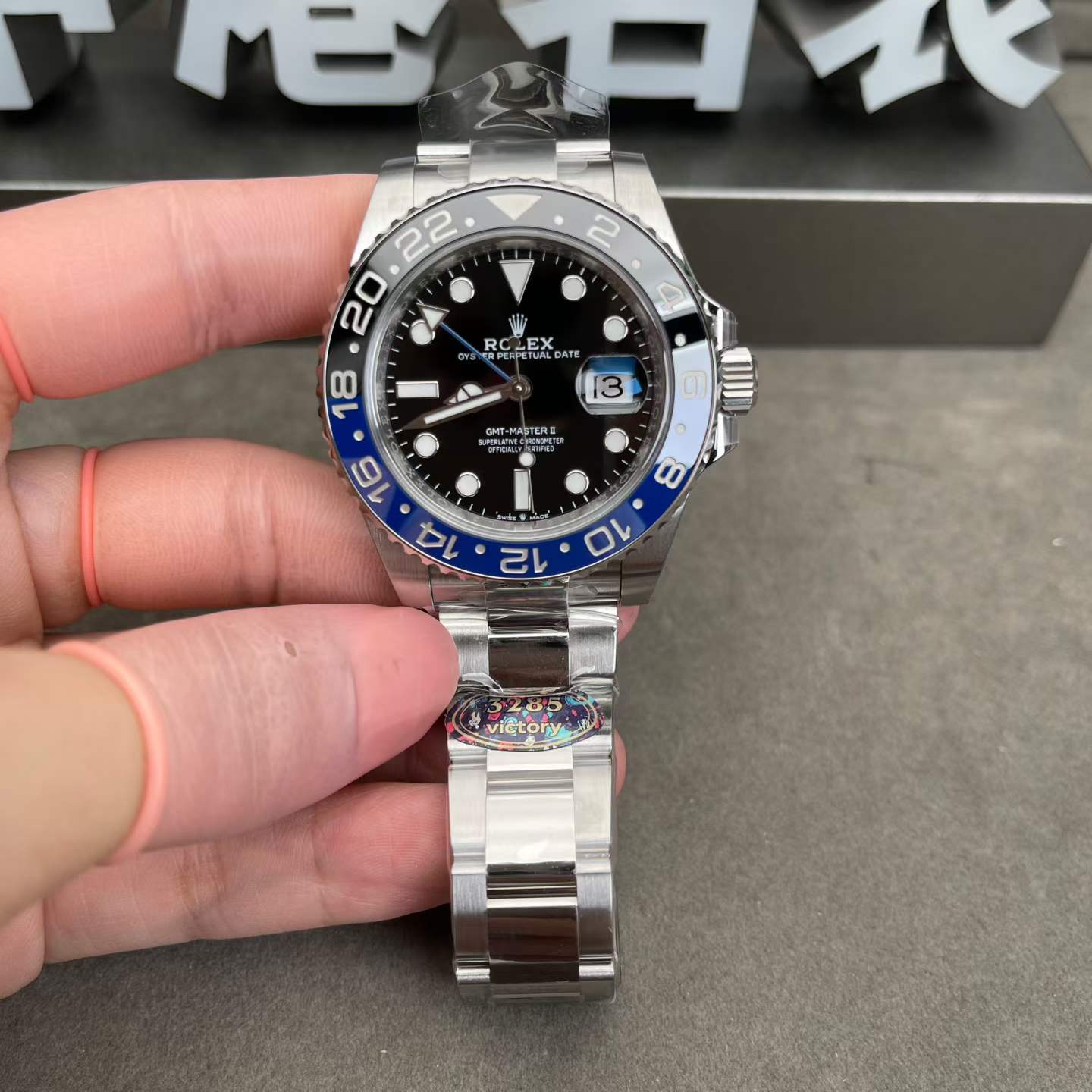
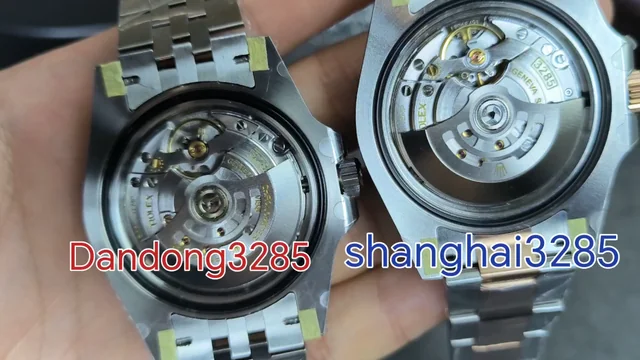
VSF now has access to Dandong 3285 movements and has rolled them into their GMT lineup. The V4 Pepsi and Coke are shipping with genuine DD3285 calibers — 70-hour power reserve, proper GMT hand-stack with the correct layering (hour hand at the bottom, GMT hand, minute hand, sweep seconds on top), independent hour hand adjustment. If you’d told me two years ago that VSF would crack the 3285 supply chain, I would’ve been skeptical. But here we are.
A reader emailed me back in March asking about the V4 Pepsi — he ended up grabbing one, four months in, runs +3 sec/day, jumps cleanly through time zones. Hasn’t pinged me about it since.
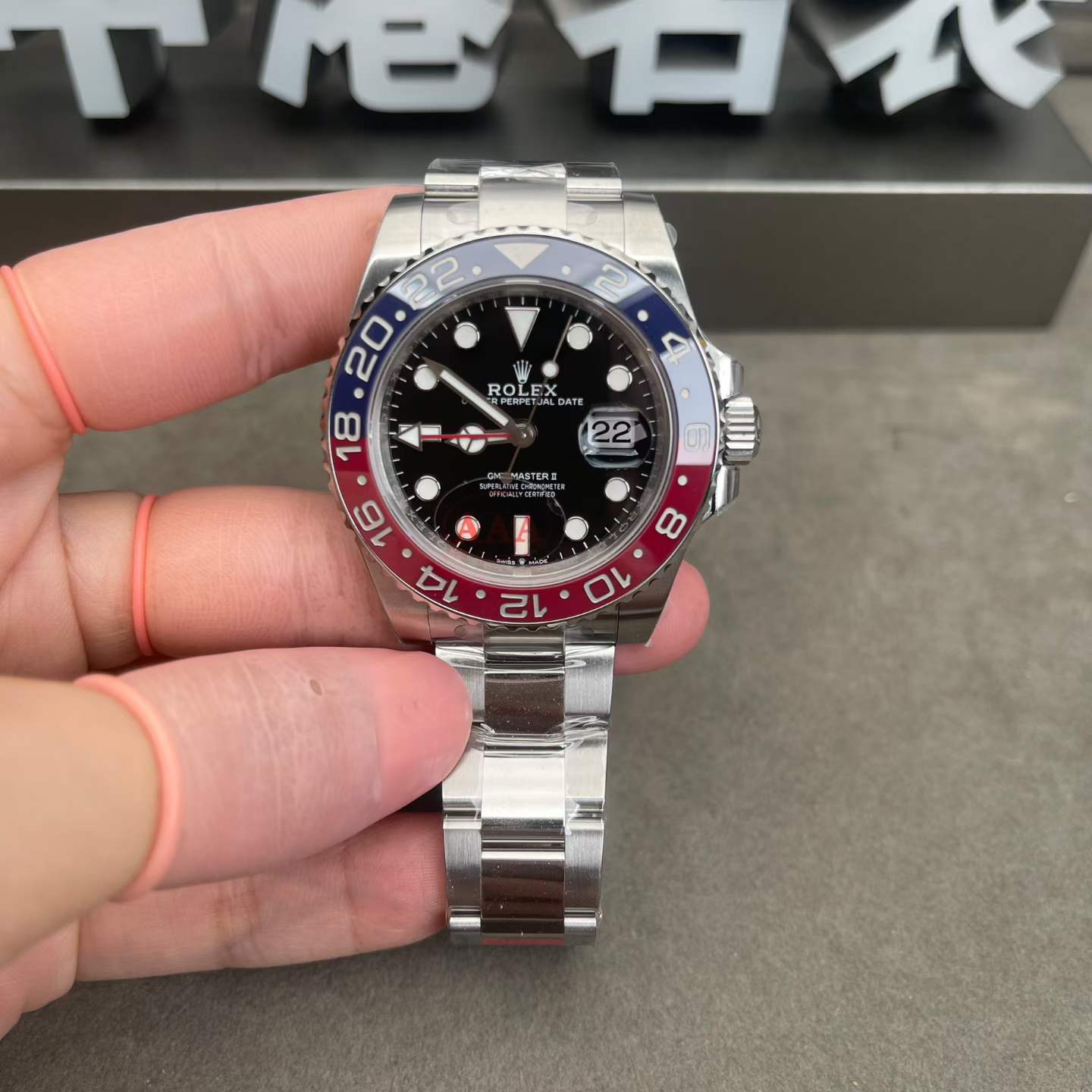
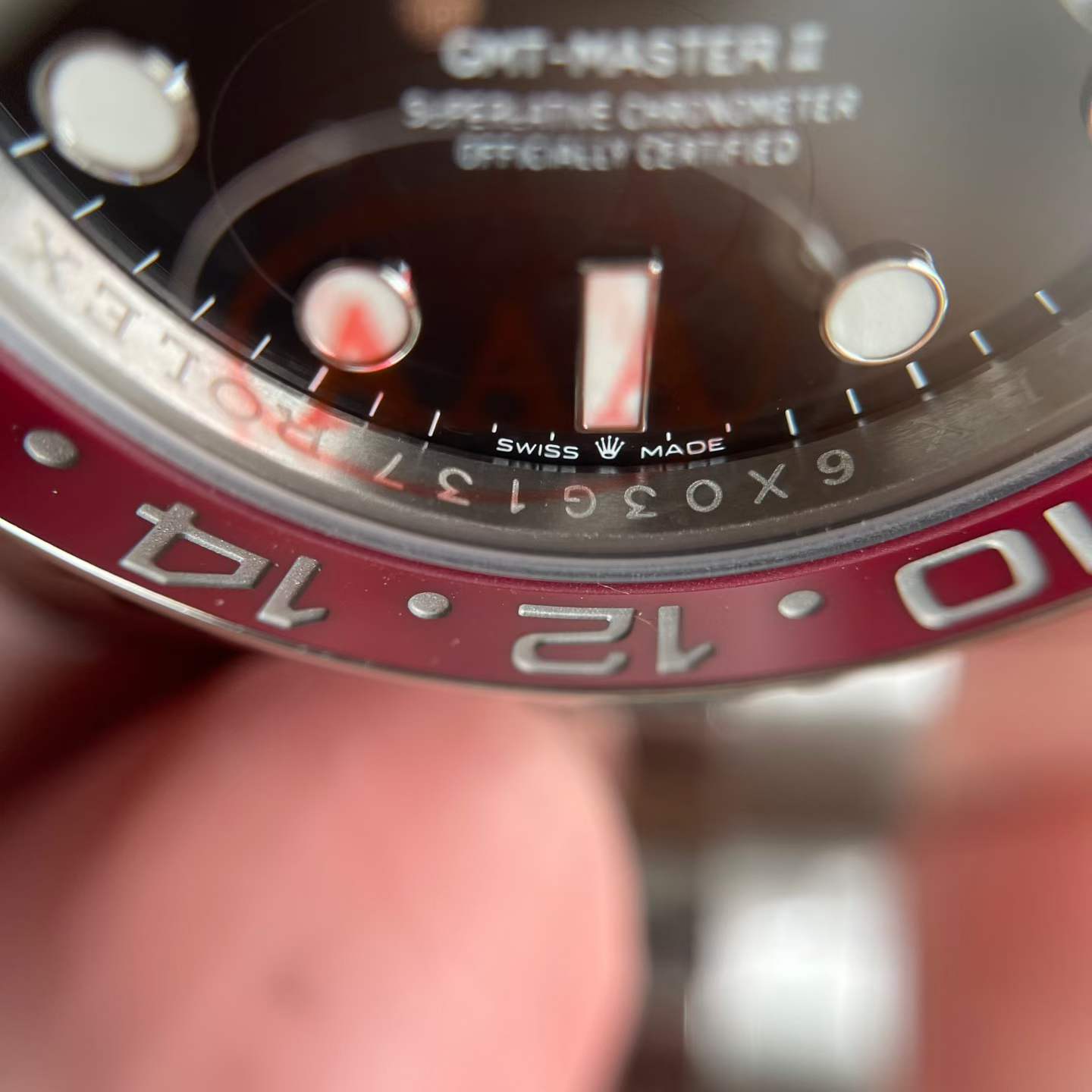
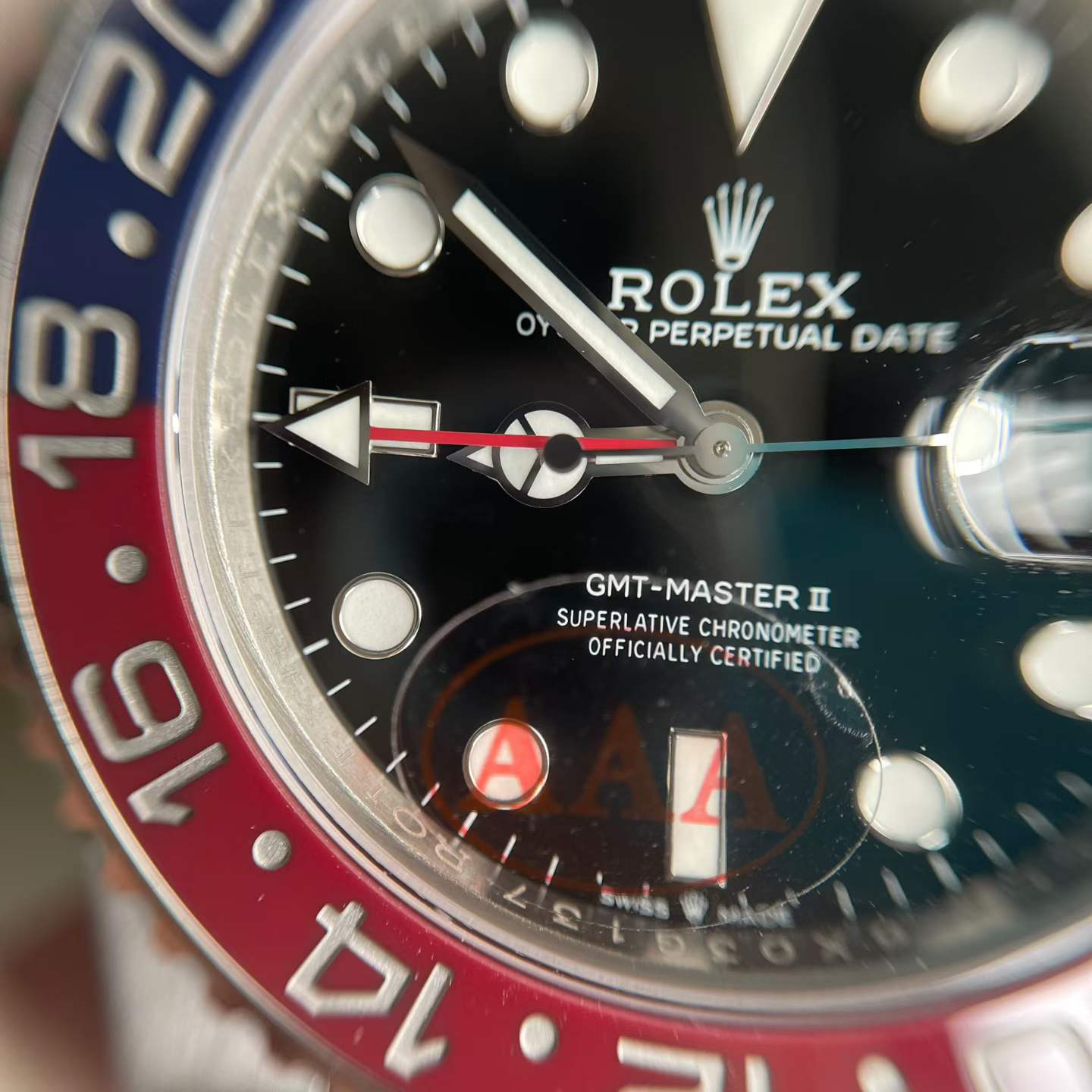
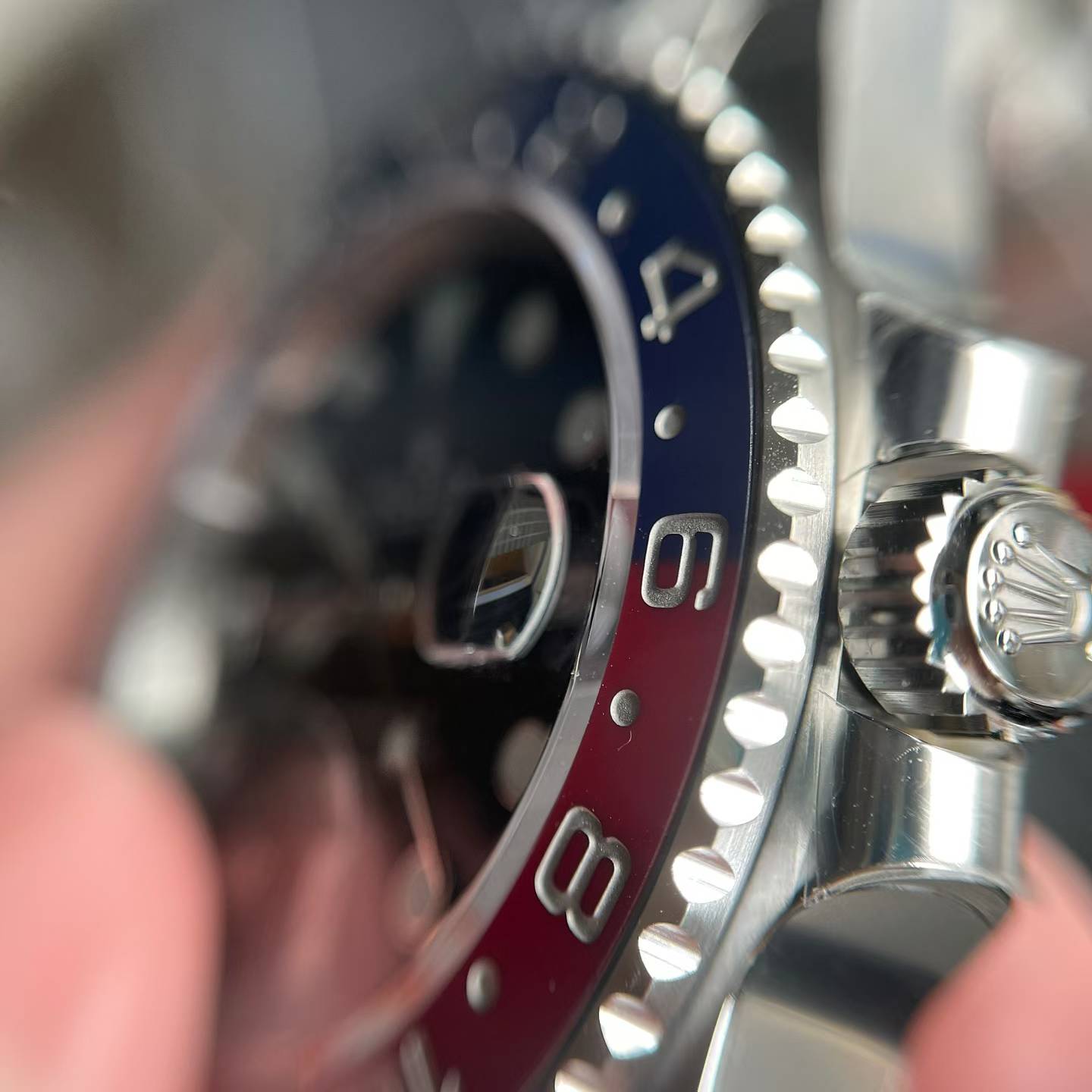
ARF moved fast to fill the gap too. Their GMT-Master II runs a Shanghai 3285 — not Dandong — but they source cases, bracelets, and bezels from the exact same subcontractors that supplied Clean. This is confirmed across multiple batches: ARF’s V3 bezel is the same component that went into late-production Clean GMTs. The ceramic dual-color transition, the platinum-filled engravings, the click feel — identical parts. The difference lives under the caseback.
Here’s how the two main contenders stack up:
| Spec | VSF GMT V4 | ARF GMT |
|---|---|---|
| Movement | Dandong 3285 | Shanghai 3285 |
| Power Reserve | ~70 hours | ~70 hours |
| Bezel Source | Top-tier ceramic supplier | Same supplier as Clean |
| Case / Bracelet | 904L steel | 904L steel (Clean subcontractor) |
| Weight | ~150g | ~140–144g |
| Long-term Reliability | Higher (Dandong track record) | Good (SH3285 is solid) |
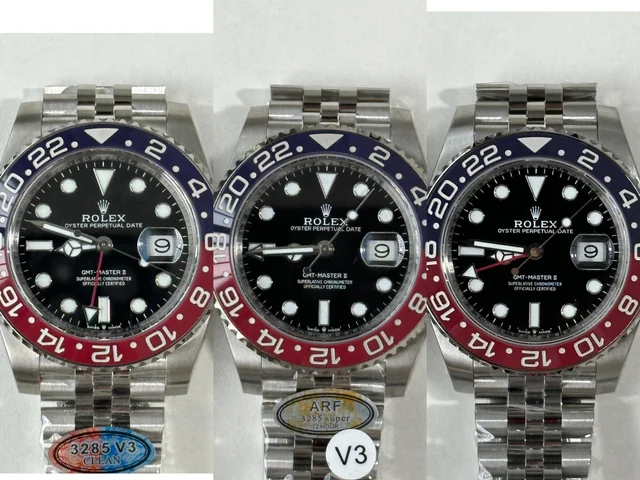
My take: if you want the best GMT available right now, VSF with the DD3285 is the answer. The reliability gap between Dandong and Shanghai isn’t massive — I’d score it 98 versus 96 — but over five years of daily wear, that 2-point gap compounds into real-world difference in service life. If budget is a bigger concern, ARF gives you 95% of Clean’s exterior quality at a noticeably lower price. If you’re interested in how VSF’s GMT platform has matured, I covered the early V3 teething issues in my VSF V3 GMT-Master II Pepsi piece — the V4 has addressed most of those complaints.
Bottom line: the GMT market is healthier now than when Clean held a monopoly. Buyers win.
The Daytona Scramble — BTF vs VSF
If the GMT market reorganized itself in a relatively orderly way, the Daytona race is still a bare-knuckle brawl. Clean was a real player here, but they never owned Daytonas the way they owned GMTs. BTF and VSF were always in the fight, and Clean’s exit just turned a three-way contest into a two-way one.
BTF has been the Daytona specialist for years.
Their dial work — especially on the Panda 116500 — is the most accurate in the business. The subdial tone runs cold white, which is correct. Late-production Clean Pandas had a blue-green tint that was visible under certain lighting. Not a dealbreaker, but annoying once you noticed it. BTF’s tachymeter bezel engravings are deeper and more consistent, and their pointer edges have a reflective bevel that Clean’s lacked. Movement-wise, BTF runs the 4130, proven and dependable.
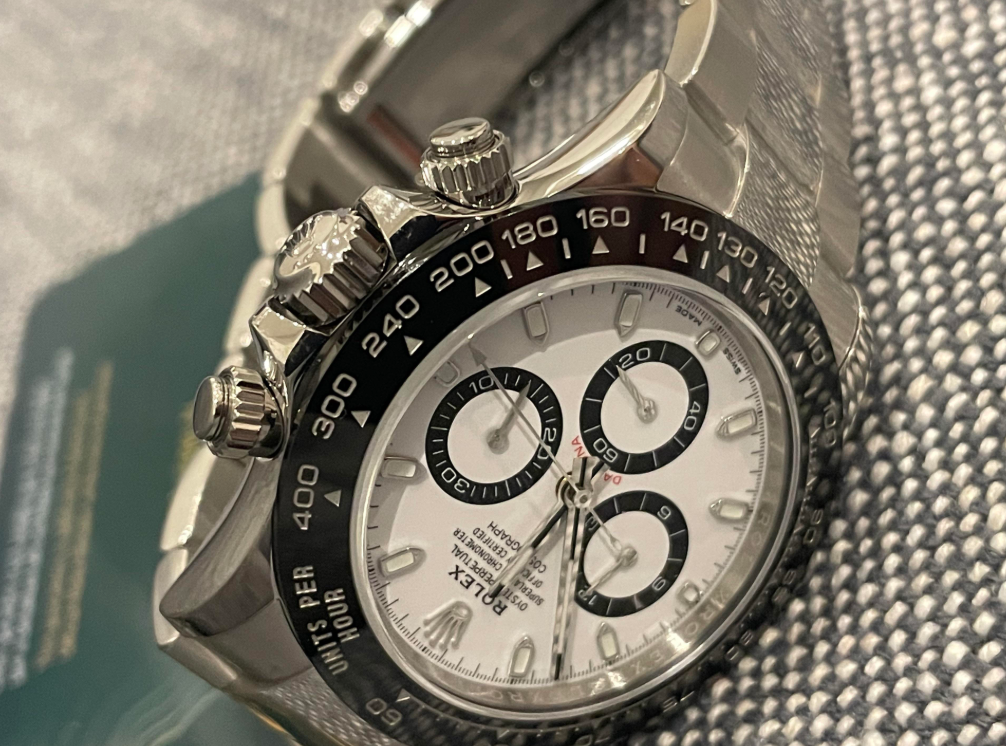
VSF counters with the DD4131 — Dandong’s latest chronograph caliber. The structural difference between 4131 and 4130 is minimal (denser ball bearings in the rotor, updated shock absorption), and long-term stability is identical. Where VSF pulls ahead is on the weighted models. The V2 weighted Daytonas are hitting the market now — precious metal variants with case weights around 166–173g, achieved through integrated tungsten steel rings inside the case. No external changes to dimensions or surface finish. No peeling. No oxidation. Steel Panda comes in around 142g, within 3g of genuine. You can’t tell the difference on the wrist.
Honestly, I’ve handled probably 200+ VSF Daytonas over the last three years. Failure rate sits around 1%.
I did a full BTF Daytona 116500 review recently if you want the deep-cut details. But here’s the summary: at social distance, a BTF Panda and a VSF Panda are indistinguishable. I’ve handled both side by side. The visual differences come down to subdial warmth and surface texture — loupe-level stuff. The real separator is longevity. DD4131 will run longer with fewer issues over a 5-year window. That’s not speculation; it’s a decade of tracking failure rates across my network.
Clean’s Sub and Datejust Legacy
Short version: Clean’s shutdown barely moved the needle here.
VSF has dominated the Submariner market for years. The DD3235 and DD3230 movements, the V4 ceramic bezels with gen-swappable color accuracy, the legitimate 904L steel — Clean was always chasing VSF on subs. Clean’s Shanghai 3235 claimed 70-hour power reserve, but long-term stability couldn’t match Dandong. Their bezel luminous pip ran a warmer yellow-green (actually closer to gen than VSF’s cooler white), and their crystal edge had a slightly rounder bevel. Good details. But none of that offsets the movement gap when you’re thinking in years, not weeks.
Same story with the Datejust.
Clean’s fluted bezel was sharp and bright, but there’s a documented issue with plating degradation over extended wear — some units showed copper base material underneath after 2-3 years. VSF’s fluted bezel hasn’t shown that problem across 4-5 years of market data. And with VSF now shipping V2 Datejust models with improved crystal and dial work, the distance has only grown.
A buddy on r/RepTime posted his VSF DJ last week — three years on, still running spot-on without a service.
ARF and C+ (Cplus) have stepped into the Datejust space as credible alternatives, both now running Dandong 3235 movements. If VSF’s lead times are killing you — and at one to two weeks per shipment cycle, they often are — ARF or C+ will get you 95% of the way there faster.
VF and the Clean Supply Chain
This needs addressing because the confusion around it is costing people money.
VF — V Factory — was formed by former Clean staff who regrouped after the July 2025 raid. Same people, same supplier contacts, same assembly knowledge. For a brief window in late 2025 and early 2026, VF was producing watches that were functionally identical to late-production Clean: same bezels, same cases, same movement sources.
That window is closed.
By May 2026, VF went dark too. Whether it’s a temporary supply disruption or a permanent shutdown, nobody outside the inner circle knows for certain. What I do know is that fresh VF stock is not flowing to dealers right now.
So when a dealer tells you they have “Clean stock” in mid-2026, it means one of three things:
- Genuine leftover inventory — possible but shrinking fast. Some dealers did hold pre-raid stock, and a portion of it could still exist in warehouses. Verify by checking the movement. If it’s a GMT with a real DD3285 inside, it could be legit.
- VF production from the transition window — functionally equivalent to Clean, technically not Clean. Acceptable product, misleading label.
- Rebranded lesser product — this is the most common reality. A “Clean” sticker on an EWF, a C+, or some no-name assembly. This is a scam, full stop.
Real talk: stop chasing the Clean name. The brand is dead. The components that made Clean worth buying — the bezels, the case machining, the supply chain quality — survive in ARF, C+, and VSF. You’re not losing anything by buying from a factory that’s actually operating in 2026 and can back up its product.
Factory Power Rankings 2026 — Ray’s Map
“Which factory for which watch?” — I get this question more than anything else. Here’s the competitive map as I see it right now, focused on Rolex and key non-Rolex categories where Clean’s absence reshuffled the deck:
| Factory | Best Categories | Core Movements | Key Strength | Main Weakness |
|---|---|---|---|---|
| VSF | Sub, DJ, GMT, Daytona, Omega, AP | DD3235 / DD3230 / DD3285 / DD4131 / DD8800 | Movement reliability across the board, widest product range | Slow shipping (1-2 week cycles), premium pricing |
| BTF | Daytona | 4130 / 4131 | Best Daytona dial accuracy and subdial coloring | Very narrow product line |
| ARF | GMT, Sub, DJ, Explorer II | SH3235 / SH3285 | Clean-grade exteriors at lower prices, fast availability | Shanghai movements slightly behind Dandong long-term |
| C+ (Cplus) | GMT (3186), Datejust | DD3235 / 3186 | Dandong DJ movements with competitive pricing | Smaller production volume, fewer color options |
| QF | Day-Date (weighted), Daytona (weighted) | 3255 | Heavy weighted builds (150g+ Daytona, 200g+ Day-Date) | Narrow niche focus |
| 3K | Patek Philippe | Various clone calibers | Dominant PP specialist (5711, 5227, Nautilus) | Patek only — no diversification |
| ZF | IWC, Tudor, AP 15400 | Various (9015-based, DD3120) | Best Portugieser and Black Bay, solid non-Rolex coverage | Rolex line can’t compete with VSF / ARF |


If I had to bet on one factory for 2026, it’s VSF. Not close. The Dandong movement advantage alone justifies the premium. They’ve expanded into AP (Royal Oak 15500/15510 with DD4302), their Omega line is still the only serious option for Seamaster, and now they’ve broken into GMT territory that Clean used to own. But — and this matters — the overall market is more competitive than it’s been in years. That’s a direct result of Clean’s exit forcing everyone else to improve or disappear. Healthy competition benefits every buyer.
What This Means for Buyers
Three rules for navigating the post-Clean market:
1. Stop hunting for Clean stock. I mean it. Every week I see someone on forums asking where to find “NOS Clean.” The risk-to-reward is terrible. Most pieces being sold as “Clean” in 2026 are not Clean. You’re paying a nostalgia premium for a brand name that no longer has quality control, warranty support, or parts supply behind it. Worse — if it genuinely is leftover Clean with a Shanghai movement, who services it when that SH3285 starts drifting in 18 months? Nobody. The factory is gone.
2. Match the factory to the model. Simple cheat sheet:
- GMT-Master II: VSF (DD3285) for the best available. ARF for strong value.
- Daytona: VSF (DD4131) for long-term reliability. BTF for the best dials. Both are excellent choices — you won’t regret either.
- Submariner: VSF. This one isn’t a debate.
- Datejust: VSF V2 first. ARF or C+ if VSF availability is a problem.
- Day-Date (weighted): VSF V2 for the best build. QF or CBD for budget weighted versions.
- Explorer II: ARF with SH3285. Best currently available since Clean’s departure.
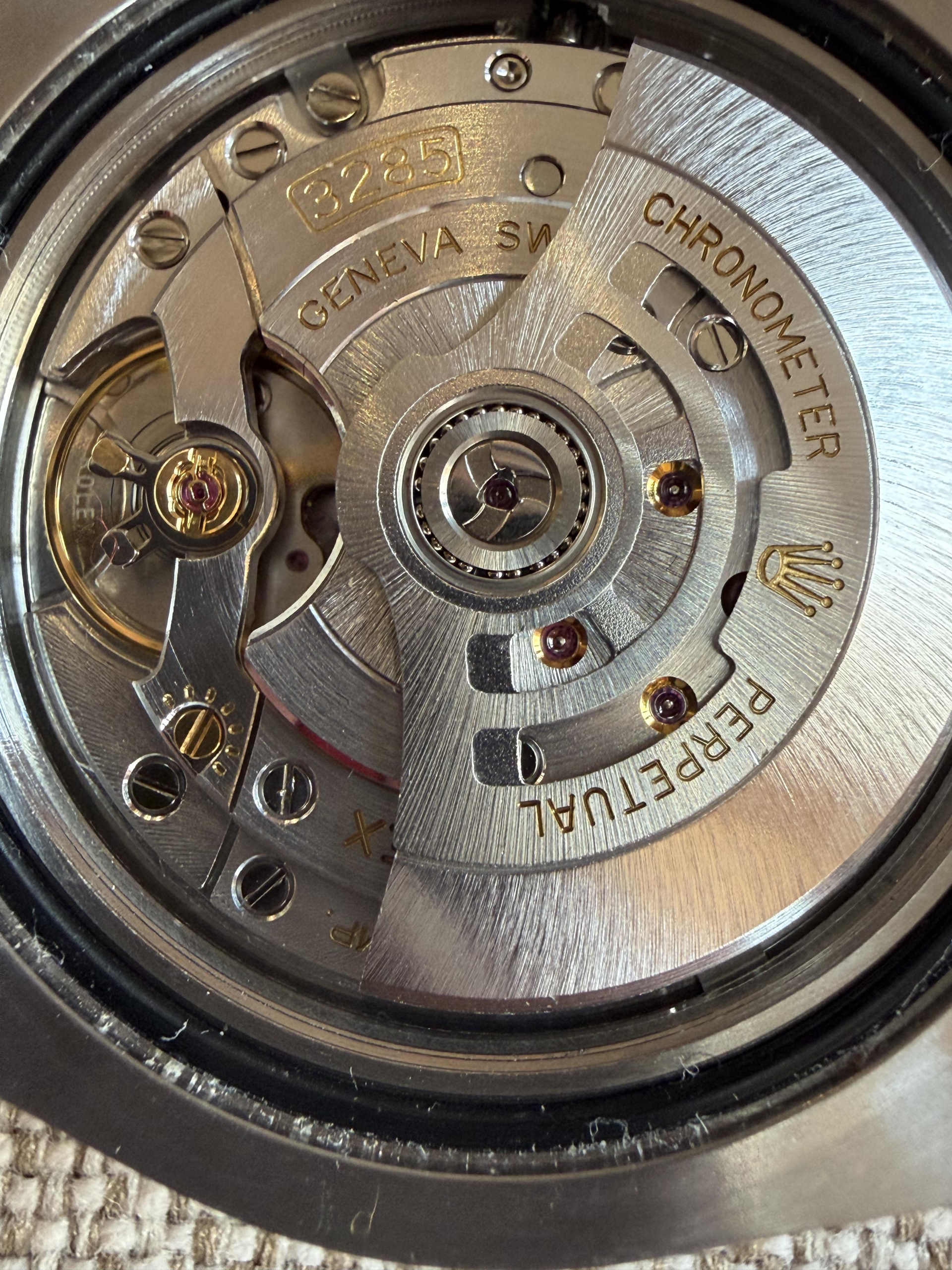
3. Verify the movement before you pay. This is non-negotiable. A Dandong 3285 has the regulator pins (fast-slow adjuster) positioned on the outer side of the balance wheel. Shanghai 3285 traditionally has them on the inside — though newer Shanghai versions have moved the pins outward to mimic Dandong. Secondary tell: pull the crown to the first position and flick the date forward. A real DD3285 will snap through 5 dates per flick. Shanghai tops out at 3, maybe 3.5. Quick, definitive, no special tools needed.
If your dealer refuses to send movement photos, that tells you everything.
The super clone market didn’t collapse when Clean went down. It adapted. Movement access has spread, competition is sharper, and buyers have more legitimate options than at any point in the last five years. Clean’s lasting contribution was proving that excellent bezel work and smart marketing could challenge VSF’s movement-driven dominance. The irony is that their disappearance made the remaining factories stronger. If you’re considering a new piece, find a reliable dealer with verified reviews and confirmed warranty support — the factory name stamped inside the caseback matters, but the movement turning inside it matters more.